
What Payment Speed Means for Businesses and Consumers
In today’s fast-paced digital economy, the speed of payment processing is becoming increasingly critical for both consumers and businesses. As technology continues to evolve, the expectation for rapid transactions has grown, significantly influencing user experience and operational efficiency. For instance, many consumers now anticipate instant access to their funds after making a transaction. This cultural shift aligns with the broader trend of immediacy that characterizes our society. It is essential to understand what payment speed means and how it affects various sectors. To delve deeper into this subject, consider exploring opportunities like What Payment Speed Means for Online Casino Free Spins No Deposit online casino free spins no deposit, which highlight the significance of rapid payment systems in different areas.
The Evolution of Payment Systems
Historically, payment systems were laborious and slow. Traditional methods like cash or checks required physical exchange and could take several days to process. Today, transaction methods such as credit cards, mobile wallets, and cryptocurrencies have revolutionized how payments are made. These methods not only speed up the transaction process but also enhance security measures, simplifying the exchange of funds.
Payment Speed and Customer Expectations
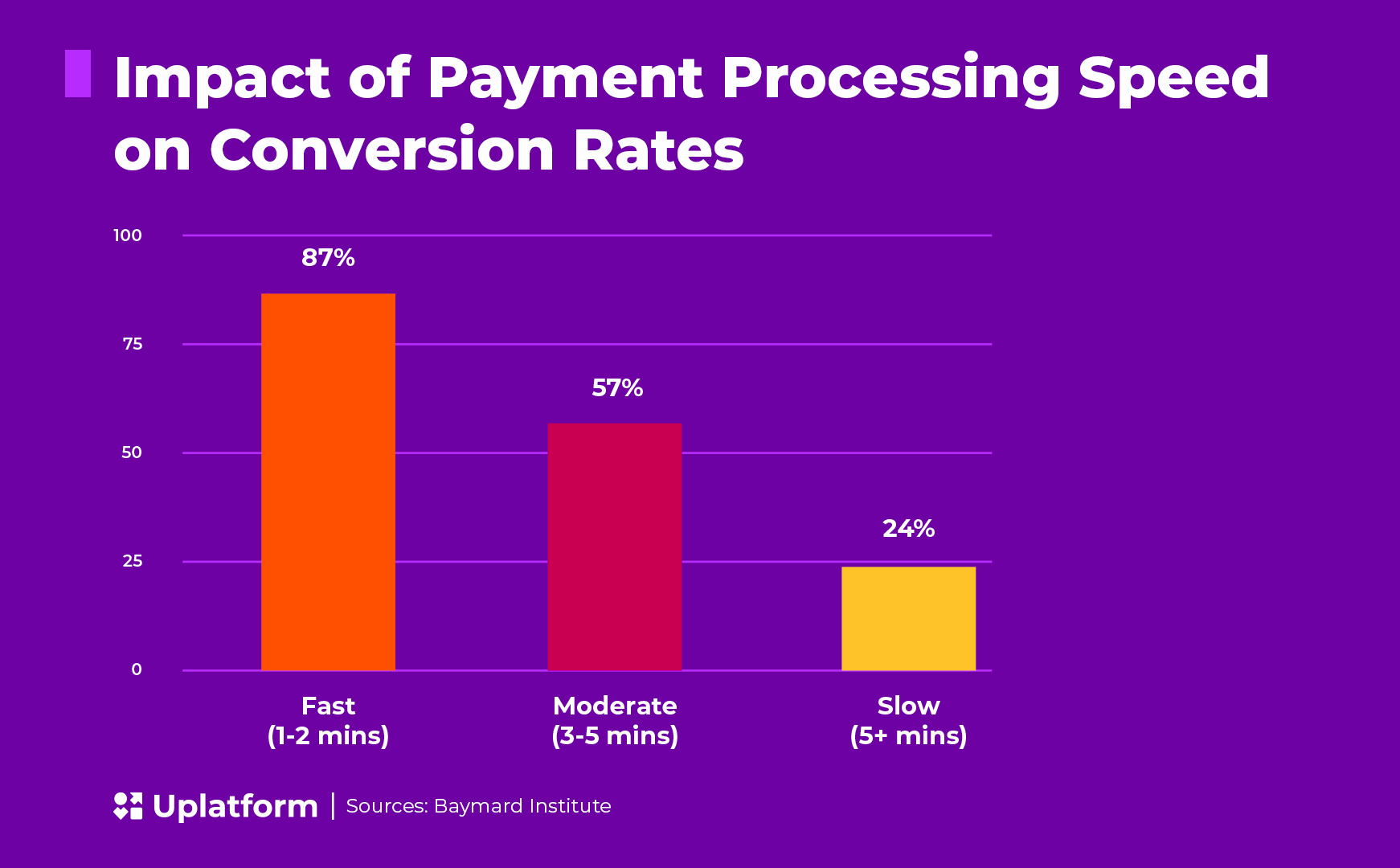
Customer expectations have shifted dramatically in recent years. In a world where services like instant messaging and streaming offer immediate gratification, consumers now expect swift payment processing when purchasing goods or services. Delays can lead to frustration and, ultimately, can cause customers to abandon their purchases. Reports show that over 30% of online shoppers will skip a transaction if the payment process takes too long. Consequently, businesses must adapt their payment systems to meet these expectations, which includes providing multiple payment options that offer speed and reliability.
Impact on Business Operations
For businesses, payment speed is not merely a convenience but a significant factor influencing cash flow and operational efficiency. Faster payments improve liquidity, allowing businesses to reinvest in growth opportunities promptly. Moreover, efficient payment systems can reduce operational costs associated with handling and reconciling financial transactions. Businesses that adopt faster payment technologies often see improvements in customer satisfaction and retention rates, as consumers appreciate the seamless experience. This efficiency can also enhance the overall brand reputation, making the business more competitive in the marketplace.
Fraud Prevention and Security
While speed is essential, it should not come at the expense of security. The faster payment technologies, such as real-time payment systems, often come with enhanced security features that help protect against fraud. For instance, biometric verification, encryption, and artificial intelligence play critical roles in ensuring that transactions are secure while still being processed quickly. As payment systems evolve, the balance between speed and security becomes paramount. Businesses must remain vigilant against emerging threats to safeguard their interests and those of their customers.

The Role of Technology in Payment Speed
Technological advancements are central to improving payment speeds. Innovations such as blockchain technology and artificial intelligence are paving the way for frictionless and instantaneous transactions. Blockchain, for instance, enables peer-to-peer payments that bypass traditional banks, enhancing speed and reducing costs. AI can analyze transaction patterns to predict and prevent fraud and streamline the payment process. By embracing these technologies, businesses can leverage their benefits to improve customer experience and operational efficiency substantially.
Considerations for Businesses
While seeking to improve payment speed, businesses should consider several factors. First, choosing a payment processor that emphasizes speed and reliability is crucial. Additionally, integrating various payment methods can cater to diverse customer preferences, facilitating faster transactions. Regularly analyzing payment performance data can provide insights into how effectively the transaction process meets customer expectations. Businesses should also continuously evaluate emerging technologies that might further enhance the speed and security of their payment systems.
Future Trends in Payment Speed
Looking forward, the trend toward faster payment processing is unlikely to diminish. As digital currencies gain popularity and more businesses adopt contactless payments, the landscape will continue to evolve. Customers will increasingly prioritize speed, and emerging technologies like 5G will likely further accelerate transaction capabilities. Future payment trends may also include more personalized experiences, wherein payment processes adapt based on individual customer behavior and preferences.
Conclusion
In conclusion, payment speed has become a fundamental aspect of modern commerce. It impacts customer satisfaction, business operations, and financial security. As expectations continue to evolve alongside technological advancements, businesses must prioritize efficient payment solutions that meet these demands. By doing so, they not only enhance their operational performance but also cultivate stronger relationships with consumers who value speed and reliability in the payment process. As technology continues to innovate, staying ahead of the curve will be crucial for businesses seeking to thrive in an increasingly competitive environment.